
Valuable Coins to Look For: Key Dates in the US and UK
I’ve learned not to call every old coin rare just because it has a worn portrait and a mysterious mark. The interesting part is checking the date, mint and condition against a proper reference.
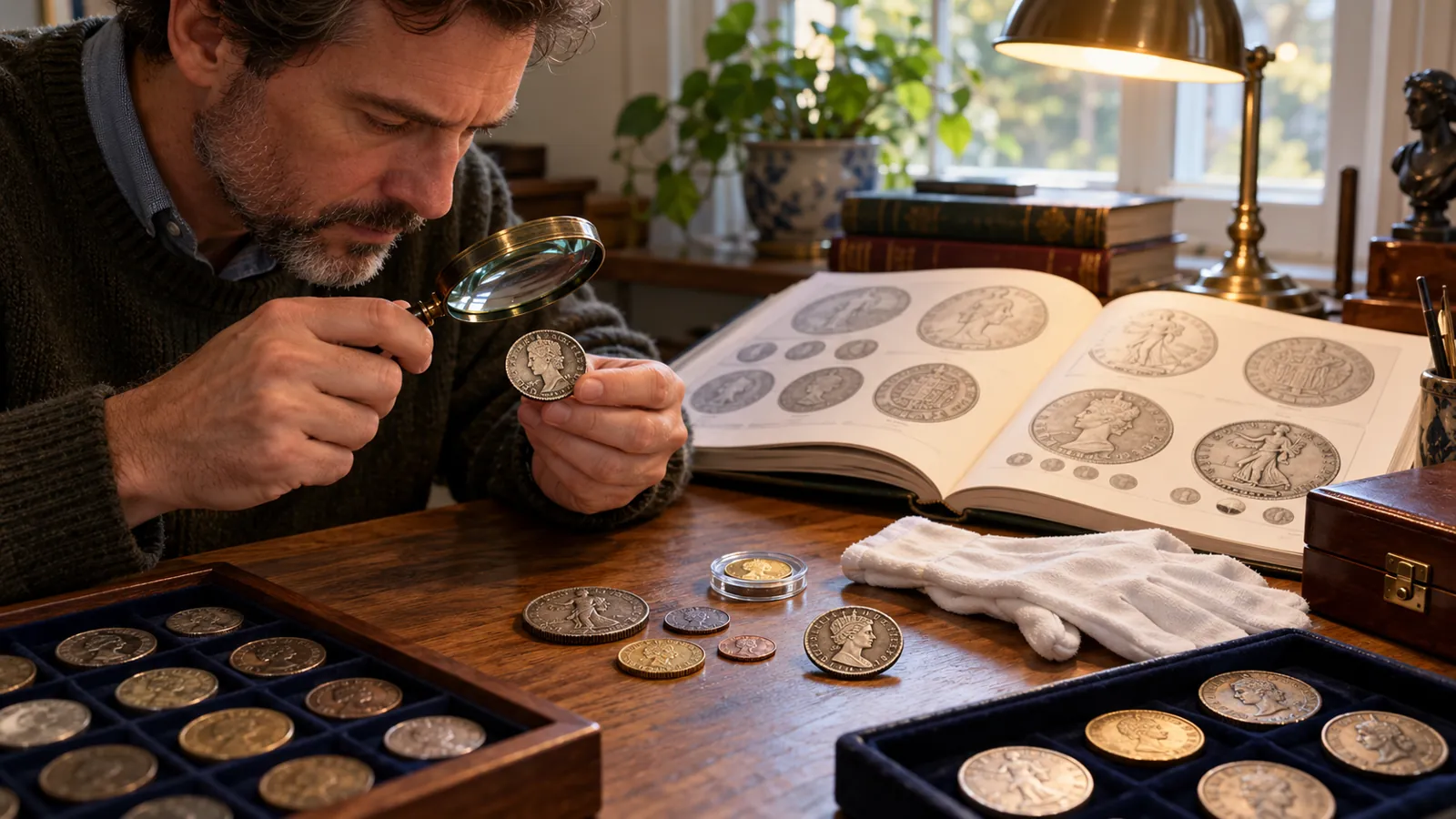
When I started collecting, I assumed that an old coin with a strange-looking mark must be valuable. It turned out to be common, worn, and probably worth more as a reminder to do the research. That lesson has saved me from several optimistic price estimates since. Valuable coins to look for are real, but rarity is only one part of the story.
A coin’s value can depend on how many were made, how many survive, what collectors want, its condition, authenticity and whether it has a recognised variety. A date that is scarce in one series may be ordinary in another. The right question is not simply “Is this old?” but “What exact type is it, and how does this example compare?”
What collectors mean by a key date
Key date coins are dates or mint combinations that are harder to find within a particular series. That can make a coin sought after, but the label only makes sense in context. A coin may be a key date in a collection of every year and mint mark, while being less important to someone who collects by design type. A low mintage can be a clue, not a guaranteed price tag.
Condition makes the picture more complicated. A scarce coin that has been heavily worn, cleaned, scratched or corroded may sell for much less than a sharply preserved example. Meanwhile, a common coin in unusually good condition can interest collectors. Before you estimate value, identify the series, date, mint mark and any variety, then compare the coin’s condition honestly with reference images.
US coins: dates, mint marks and varieties
For rare US coins to look for, collectors often study particular date-and-mint combinations, errors and varieties in established series. The familiar examples include some Morgan and Peace dollars, early cents, and certain twentieth-century issues, but a coin’s exact identity matters. A small mint mark can separate a common issue from a scarcer one, while lookalikes and altered marks can fool an inexperienced eye.
Check a reputable US coin reference for the series, denomination and mint mark. Depending on the coin, the mint mark may appear on the reverse or near the date; placement has changed across designs. Use a loupe with good light and avoid scraping dirt from the area. If the mark seems unusual, compare it with a clear image of an authenticated example instead of relying on a blurry online photo.
Some US varieties are defined by details such as doubled design elements, a changed die or a particular arrangement of lettering. Not every irregular-looking letter is a valuable error. Damage, machine doubling, wear and corrosion can create effects that look dramatic under magnification. If a possible variety could materially affect value, get a second opinion from a knowledgeable dealer or numismatic organisation.
British coins: check the denomination and reign
Valuable British coins can include scarcer dates, mint marks, varieties and coins from particular reigns, but the same caution applies: identify the exact issue before drawing conclusions. Britain has a long and varied coinage, and designs, denominations and production methods changed over time. A coin’s portrait may help identify the monarch, but it is only one clue. Read the legends and compare the shape, size and reverse design as well.
For modern circulating coins, a design difference or an unusual mark can attract attention online. That does not mean every apparent difference is rare. Check a specialist British coin catalogue or reliable numismatic reference to see whether the variation is recognised. Be wary of claims based only on a seller’s headline. A genuine variety should have an explainable feature that matches documented examples.
Older British coins may be difficult to identify because of wear, corrosion or unfamiliar lettering. A specialist society, museum reference or experienced dealer can help with an unclear type. If the coin was found through detecting and appears to be an archaeological object, follow local reporting rules before considering a sale. The circumstances and location may matter as much as the coin itself.
How to check coin varieties and mint marks
Coin varieties and mint marks are worth investigating systematically. Photograph both sides, record the date and denomination, and note exactly where the mark or design difference appears. Compare your coin against a trusted catalogue that describes the variety and shows the relevant detail. A general image search is useful for finding leads, but it can mix genuine varieties with altered coins and ordinary damage.
Look for several independent signs that the coin matches the reference. The date shape, spacing, lettering, design alignment and metal should make sense together. A mint mark can be added or altered, and a rare-looking date can be manipulated. If you are considering a significant purchase or sale, use a reputable coin dealer or grading service to assess authenticity and condition. Authentication has a cost, so it makes sense only when the coin and circumstances justify it.
Condition is more than a shiny surface
Collectors commonly describe condition by looking at wear, remaining detail, marks and the coin’s overall surface. A polished coin can look bright but may have lost its original texture and collector appeal. Cleaning can leave hairline scratches that are visible under light. Do not rub a coin to make it look more valuable; it can have the opposite effect.
Take photographs in soft, indirect light and compare the highest points of the design with reference images. Note rim damage, scratches, corrosion, bends and any signs of cleaning. If you are unsure, describe the condition conservatively and let a specialist examine it. A careful description is more useful than a confident grade guessed at the kitchen table.
Research the market without chasing headlines
Online asking prices are not reliable evidence of what a coin sells for. Look for completed transactions of the same coin in a comparable condition, and check whether the example was authenticated. Auction results can include fees, while private sales may not be visible. Treat a single headline sale as an outlier until you find more context.
If the coin is common, it may be a great addition to a collection even if its cash value is modest. I keep plenty of inexpensive coins because they help me understand a series and because I like them. The hobby gets less enjoyable when every find has to justify itself like an investment. For a virtual collecting diversion, MetalHunter lets you identify and collect finds from different locations, without needing to explain to the family why another coin is drying beside the sink.
A sensible checklist for a promising coin
- Identify the country, denomination, series and date.
- Check the mint mark and compare it with a specialist reference.
- Confirm any claimed variety using documented diagnostic details.
- Assess condition without cleaning or polishing the coin.
- Compare completed sales for authenticated examples in similar condition.
If the coin may be valuable, handle it by the edges and store it in an inert holder. Avoid posting close-up images that reveal private information about where it was found. If it came from a protected or archaeological location, sort out reporting and ownership obligations before attempting to sell it.
FAQ
What makes a coin a key date?
A key date is a relatively scarce date or date-and-mint combination within a particular collecting series. Its significance depends on the series, demand, condition and authenticity.
How can I tell if I have a rare US coin?
Identify the exact design, date and mint mark, then check a reputable US coin catalogue for the issue and any documented variety. Have a specialist examine it if the result could affect its value.
Are old British coins automatically valuable?
No. Age alone does not establish rarity or value. The specific type, date, mint mark, condition, authenticity and collector demand all matter.
Should I clean a coin that might be valuable?
No. Cleaning can damage the original surface and reduce collector interest. Photograph it, handle it by the edges, and ask a qualified coin specialist before doing anything to it.


