
Good Places to Metal Detect, and How to Ask First
The best place to search is not always the oldest-looking place on a map. Here’s how I weigh access, history, ground conditions, and a straightforward request before choosing a site.
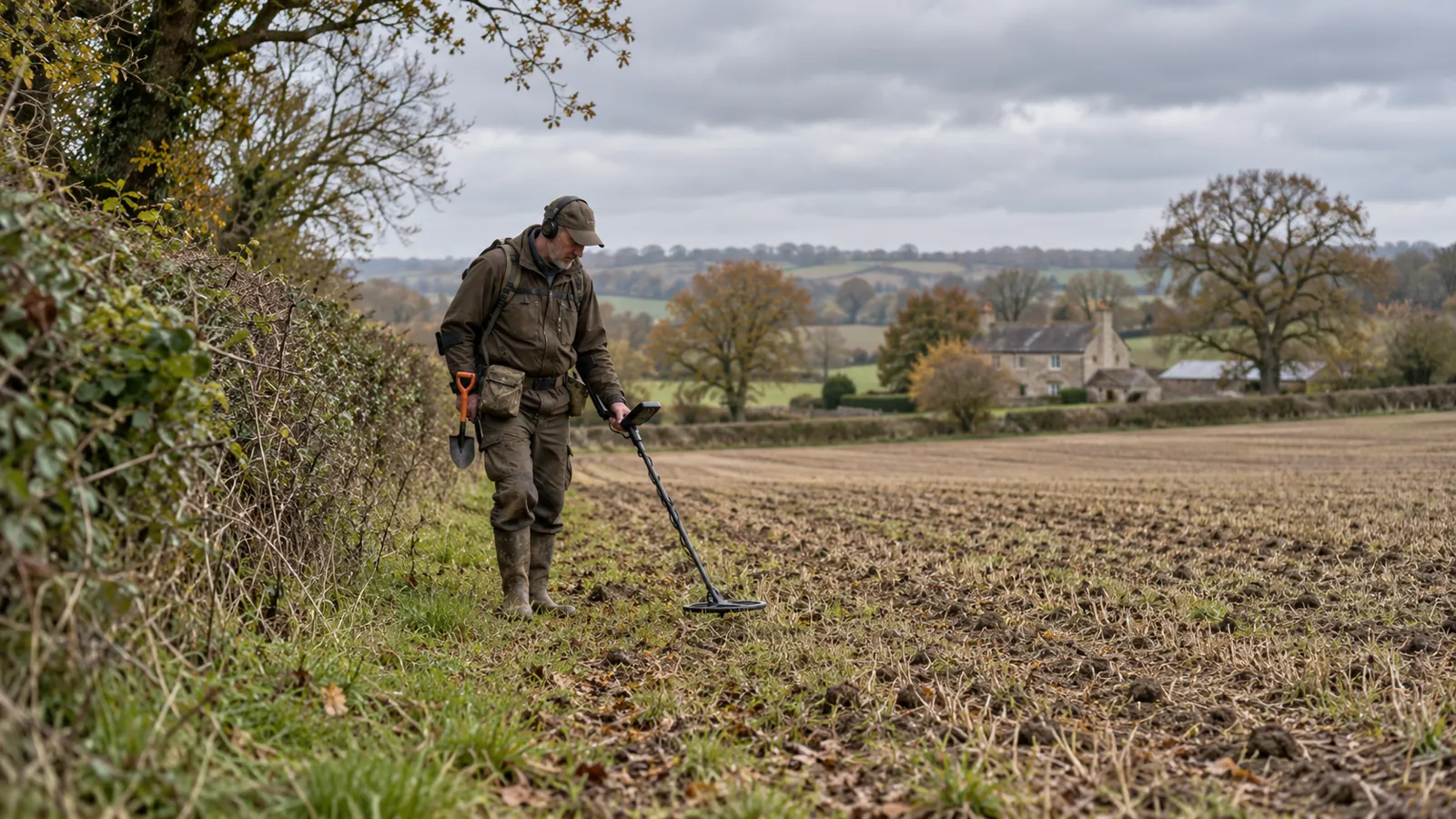
When I first got interested in detecting, I looked at a map and picked the oldest-looking building I could find. Then I realized I had no idea who owned the land, whether detecting was allowed, or if there was a reason I should stay away. A map can suggest a place to research. It cannot grant access.
If you are wondering where to metal detect, start with two questions: can you legally and responsibly search there, and is the location suitable for the kind of detecting you want to do? The best places to metal detect are often the ones where you have clear permission, know the rules, and can work without damaging the site.
Begin with the places you can access
Think locally. A private field, a community event site, or a beach with clear detecting rules may be more practical than a famous historic location. You can learn a lot on ordinary ground, especially when you search it carefully and keep track of your signals and finds.
For places to detect near me, I start with local maps, land ownership information, historical maps, and conversations with people who know the area. Those sources can help identify old paths, former gathering spaces, or how a field has changed. They are starting points for research, not proof that a target is present or that detecting is permitted.
Check who manages the land. A town park may be managed by a council, while a sports field or recreation area may have a separate owner or operator. A nature reserve, archaeological site, or protected landscape may have stricter restrictions. Ask the relevant landowner or authority before you take equipment out.
Fields and old homesteads need a careful approach
Metal detecting old fields and homesteads can be rewarding because people have worked, travelled, and lived on the land over time. It can also involve farming operations, livestock, crops, fragile remains, and archaeological material. Seek explicit permission from the owner or manager, and explain where you hope to search and how you will recover targets.
Ask whether the land is being used for crops or grazing, what areas are off limits, and whether there are times when you should not visit. Keep gates as you found them, avoid trampling crops, and stay away from buildings, drainage, and machinery. Do not assume an abandoned-looking structure or unused field has no owner.
Old homesteads deserve extra research. They may sit within protected areas or contain archaeological remains that should not be disturbed. If you suspect a site has legal protection, contact the relevant heritage authority before considering any search. A promising spot is not worth damaging a place that cannot be put back together.
Are parks a good place to search?
Metal detecting in parks can be convenient, but the rules vary widely. Some parks allow it with conditions; others prohibit digging or metal detecting entirely. Ask the city, council, parks department, or land manager directly. If the rules are unclear, wait until you have an answer rather than treating silence as permission.
In a park where detecting is permitted, stay clear of memorials, planted beds, sports surfaces, and protected trees. Use a small, careful plug and restore the turf cleanly. Do not search during events or when your activity would interfere with other visitors. Rubbish belongs in your pouch, not tucked under a bench because you have run out of room.
Busy public spaces can produce many modern objects, including pull tabs and coins. That can make them useful for practicing target recovery, but the density of people also means you need to be considerate. If someone asks what you are doing, a friendly explanation usually works better than staring intently at the detector and pretending not to hear.
Beaches, woods, and other possibilities
Beaches can be productive for modern losses, but check coastal and local rules first. Some beaches are protected, and some have restrictions on digging or equipment. Tides, weather, and saltwater conditions affect both safety and detector performance. A quiet beach is not automatically an unrestricted one.
Woodland and trails may sound appealing, but they can be protected, privately owned, or part of a sensitive historical landscape. Roots are easy to damage, and digging close to them can harm trees. Check ownership and rules, and avoid archaeological features or areas where disturbance is prohibited.
Other possible locations include land used for fairs or community gatherings, provided the organizer and owner agree. These places may have a history of people spending time there, but never search an event site without permission. If you have a friend who owns suitable land, a clear conversation is still better than assuming an invitation to visit includes permission to dig.
How I ask a landowner
I keep the request short and practical. I say who I am, what I would like to do, and how I plan to leave the land. I ask which areas are allowed and whether there are conditions to follow. If the owner is not comfortable with detecting, I thank them and move on. There is no benefit in turning a simple no into a negotiation.
Be ready to discuss what happens if you find something historically significant, valuable, or clearly someone’s property. Agreements differ, so do not promise a particular split or make assumptions about ownership. If you are searching commercially or with a group, say so upfront. It is better for expectations to be clear before anyone digs.
Written permission can help avoid misunderstandings. A brief message that describes the property, dates or access arrangement, and any limits is often enough for ordinary private land, though local requirements vary. Keep a copy with you, and make sure the person granting permission actually has authority over that land.
Know the rules before you go
Rules can vary by country, state or province, local authority, and type of land. In the UK, rules around treasure and reporting finds can apply, and requirements differ across the nations. In the United States, federal lands and archaeological resources are subject to significant restrictions, including rules associated with ARPA. Other countries have their own heritage protections and reporting systems.
These are not rules to interpret from a quick online summary. Check current guidance with the relevant land manager, heritage agency, or government authority. Private permission does not necessarily override heritage protections or other restrictions. If a find may be archaeological, human remains, ammunition, or hazardous material, stop and follow the appropriate local reporting and safety guidance.
Also check whether you need to report finds or obtain a permit, and whether the land is covered by a lease or management agreement. Rules change, and a detectorist’s confident story from several years ago is not legal advice. When in doubt, ask the authority responsible for the site before searching.
A good site is one you can leave in good shape
Wherever you search, fill every hole, remove your rubbish, and follow the landowner’s conditions. Keep tools away from buried services and avoid disturbing wildlife or plants. If the ground is too wet to recover targets neatly, come back another day. I have learned that lesson after turning a tidy plug into a small mud pie.
Keep notes about where you have permission to go and what conditions apply. That makes planning easier and helps you avoid awkward guesswork next time. If you are still learning how detectors and locations fit together, MetalHunter offers a free mobile treasure hunting simulator with fields, forests, a beach, and other settings. It is fictional practice, while real locations always require real permission.
FAQ
Where can I metal detect near me?
Look for accessible land where the owner or manager clearly allows detecting. Local maps and historical records can help you research potential sites, but confirm ownership, access, and any restrictions before going.
Can I metal detect in public parks?
Sometimes, but rules differ by location. Contact the parks department or land manager and ask about detecting, digging, and any areas that are off limits.
Can I metal detect on an old farm field?
Only with permission from the person who controls the land, and only if heritage and local rules allow it. Agree on boundaries and conditions, and avoid crops, livestock, structures, and protected features.
Is landowner permission enough to detect anywhere?
No. Protected archaeological sites, public land, and other regulated areas may have separate restrictions or permit requirements. Check with the relevant authority as well as the landowner.


