
 MetalHunter
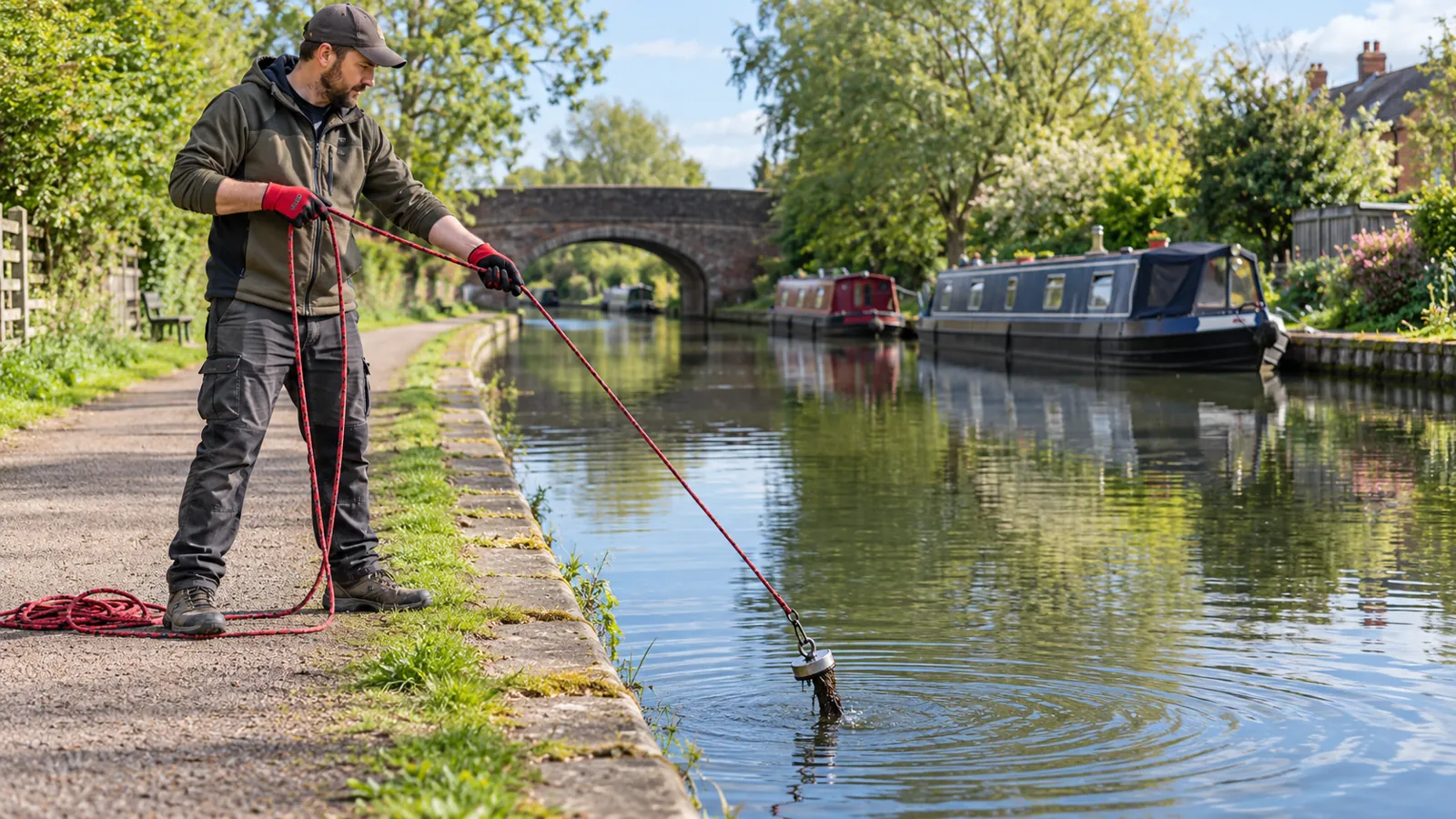
Where to Go Magnet Fishing Safely
A promising-looking bridge is not automatically a good place to magnet fish. I now check access, water conditions and what is happening around the bank before I even untangle the rope.
MetalHunter
A promising-looking bridge is not automatically a good place to magnet fish. I now check access, water conditions and what is happening around the bank before I even untangle the rope.
 MetalHunter
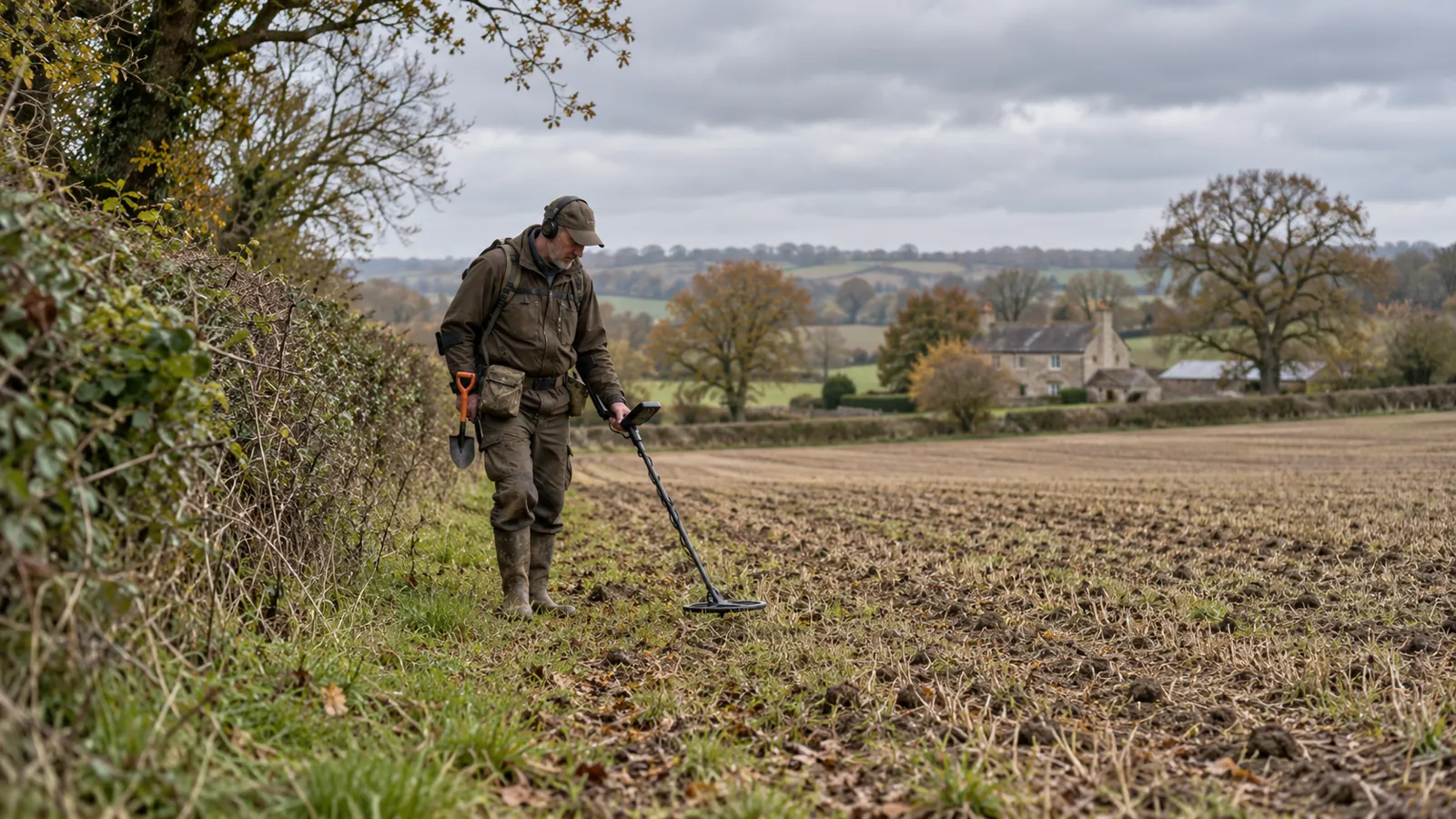
The best place to search is not always the oldest-looking place on a map. Here’s how I weigh access, history, ground conditions, and a straightforward request before choosing a site.
 MetalHunter
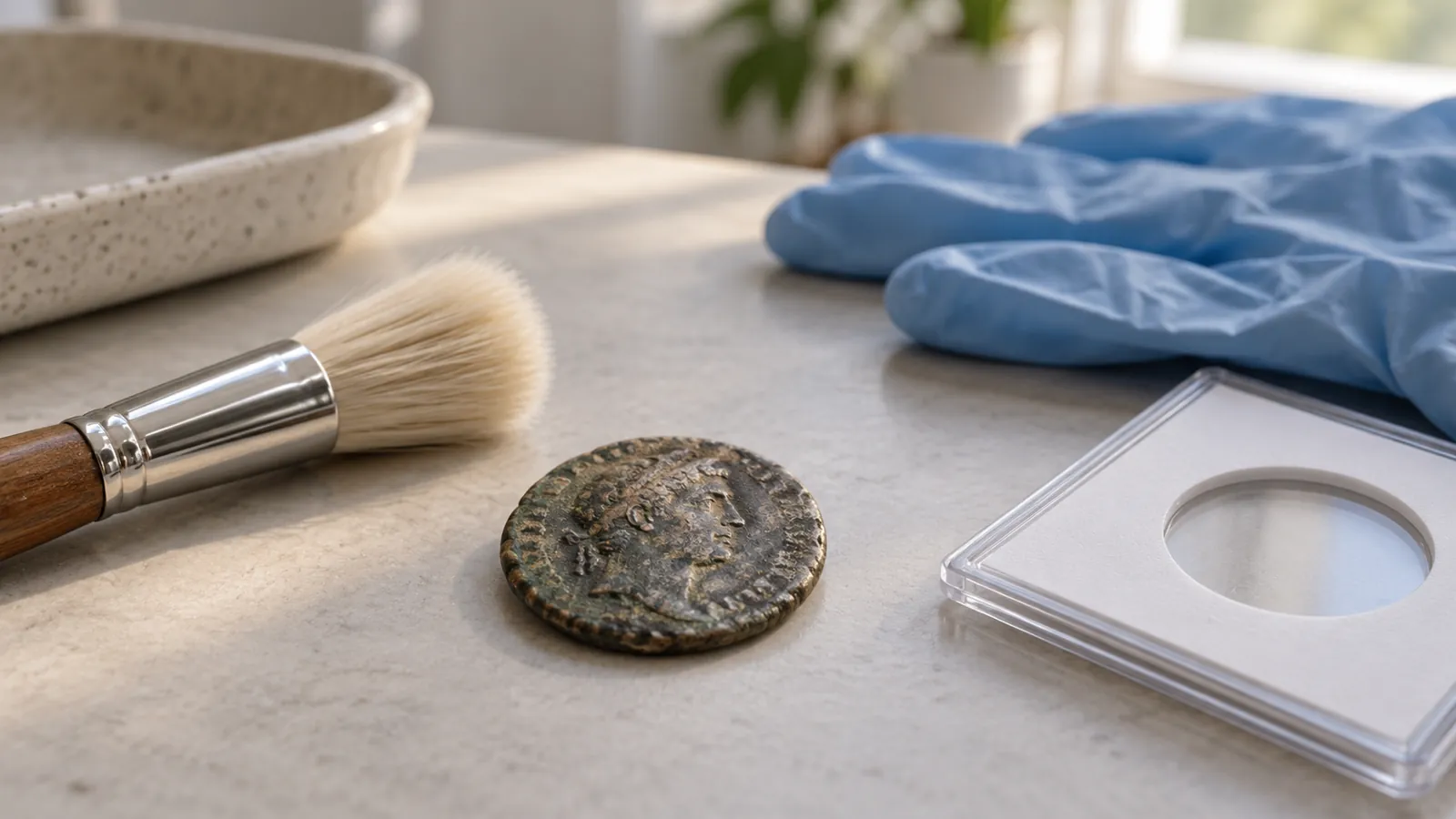
My early coin-cleaning technique was a thumb, a paper towel and unreasonable confidence. I’ve since learned that a little dirt is often easier to live with than a permanently scratched coin.
 MetalHunter
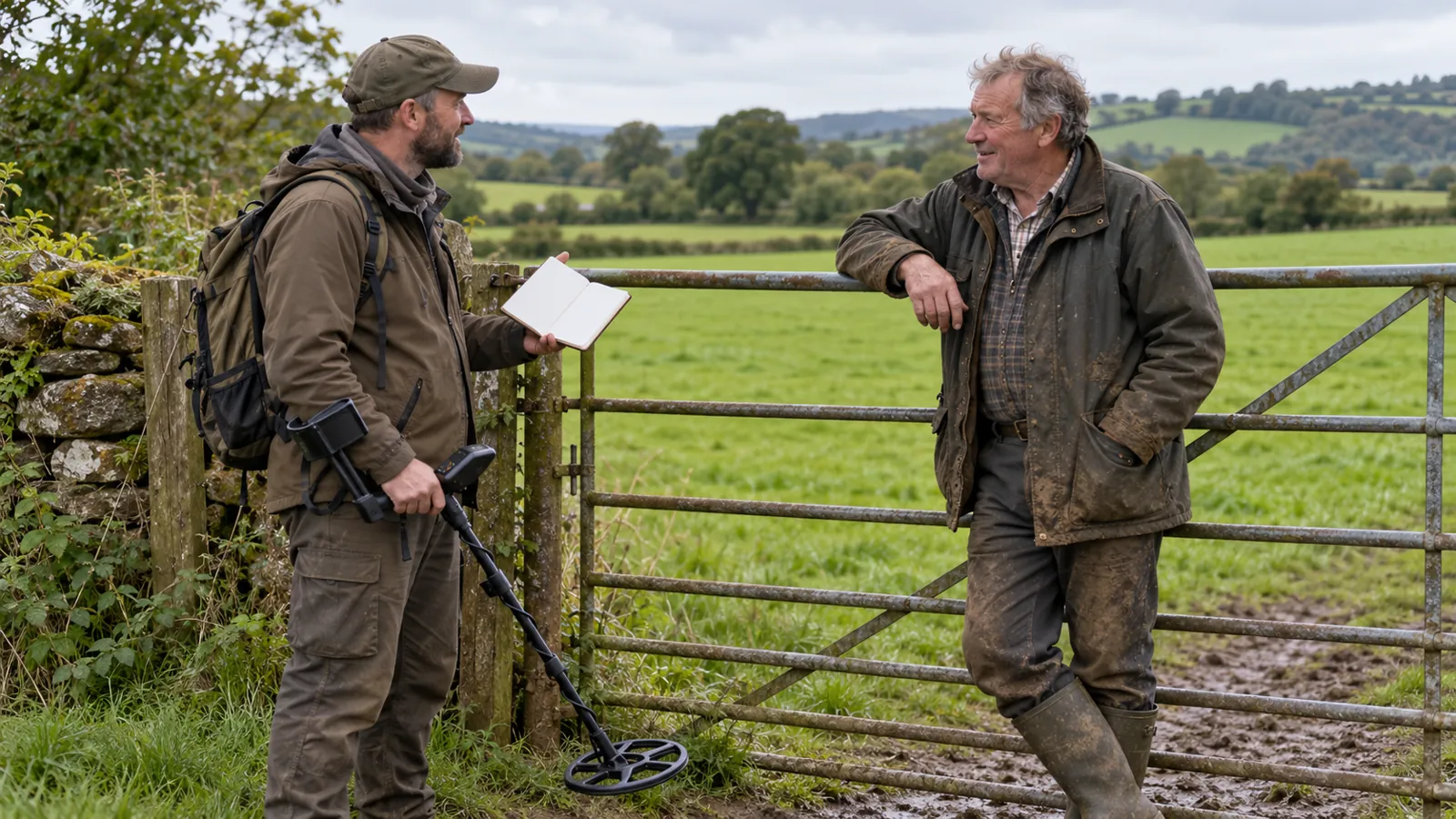
A friendly landowner can make a detecting day; a forgotten permission check can end it before the first signal. Here’s how I check the rules and the ground before I dig.
 MetalHunter
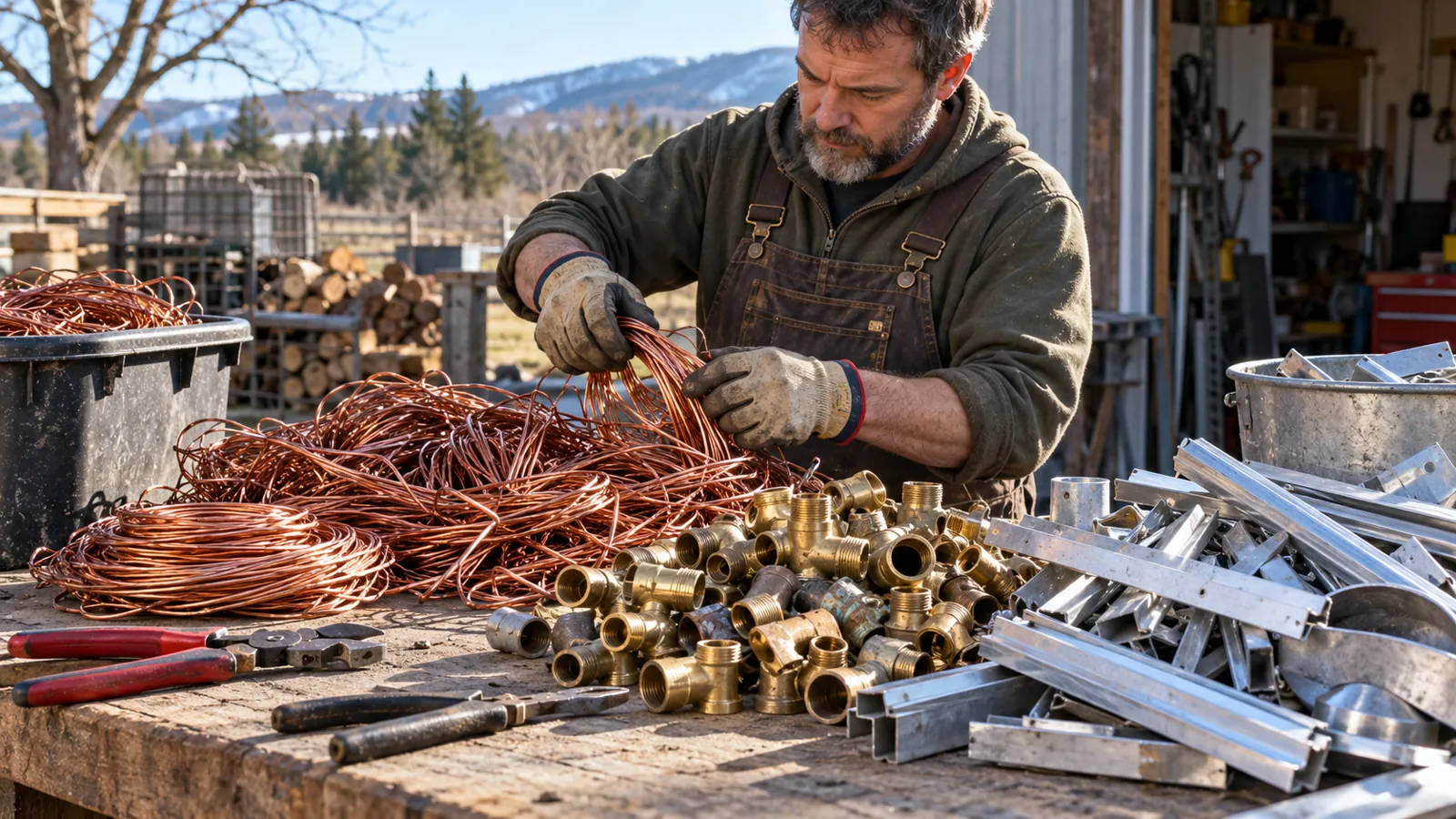
A quick look at color can help, but it won’t settle every scrap-yard mystery. Here are the checks I use to tell copper, brass, and aluminum apart before I sort a pile.
 MetalHunter
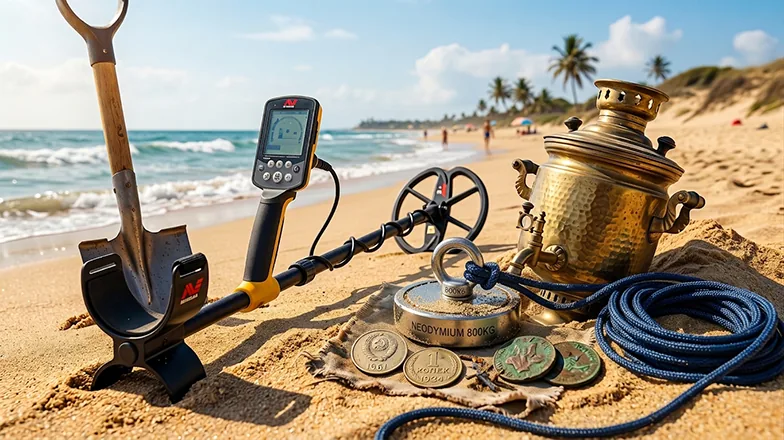
A look at MetalHunter: eight locations, over a thousand finds, a coin collection, magnet fishing and a scrap metal yard.
 MetalHunter
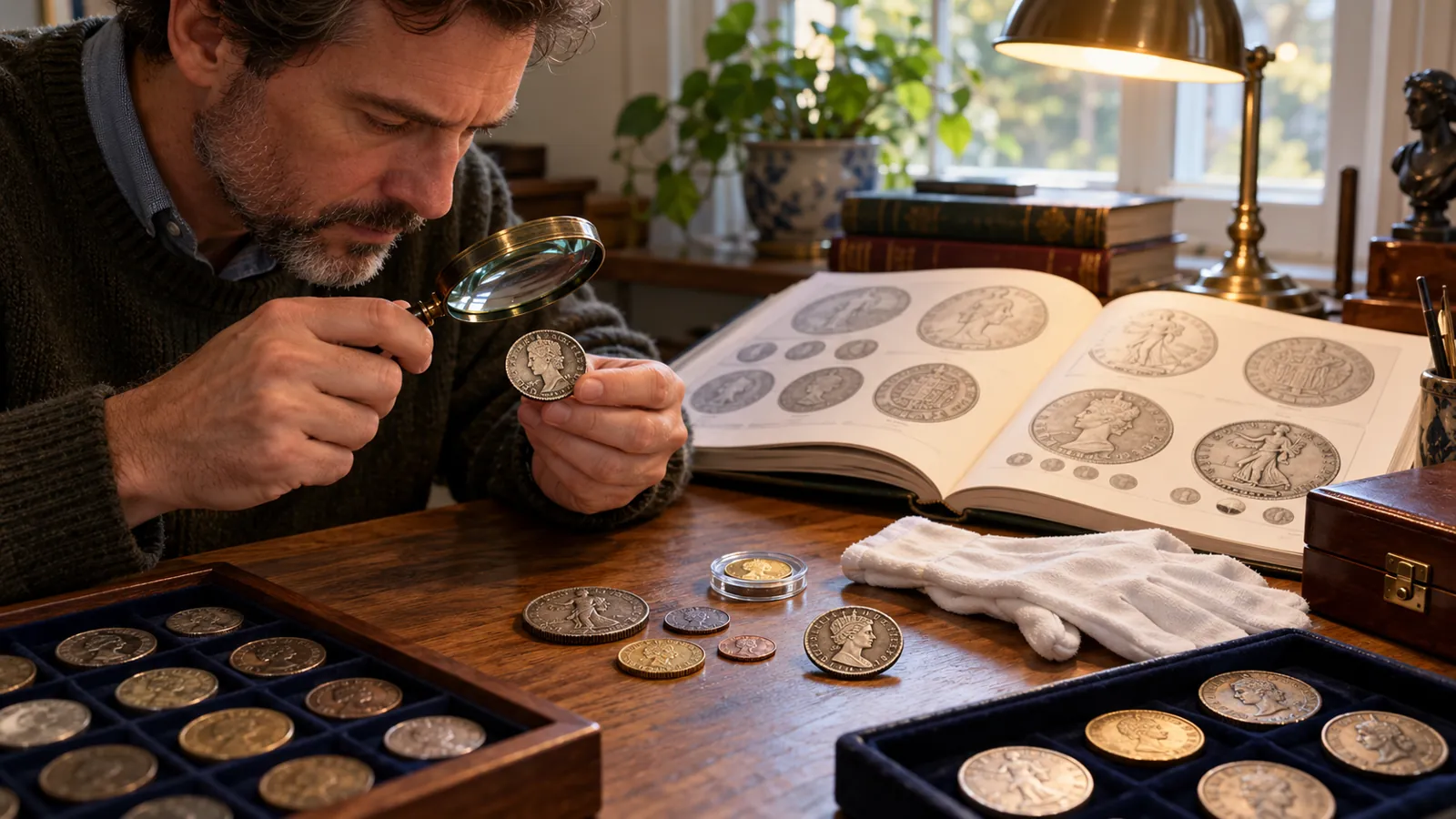
I’ve learned not to call every old coin rare just because it has a worn portrait and a mysterious mark. The interesting part is checking the date, mint and condition against a proper reference.
 MetalHunter
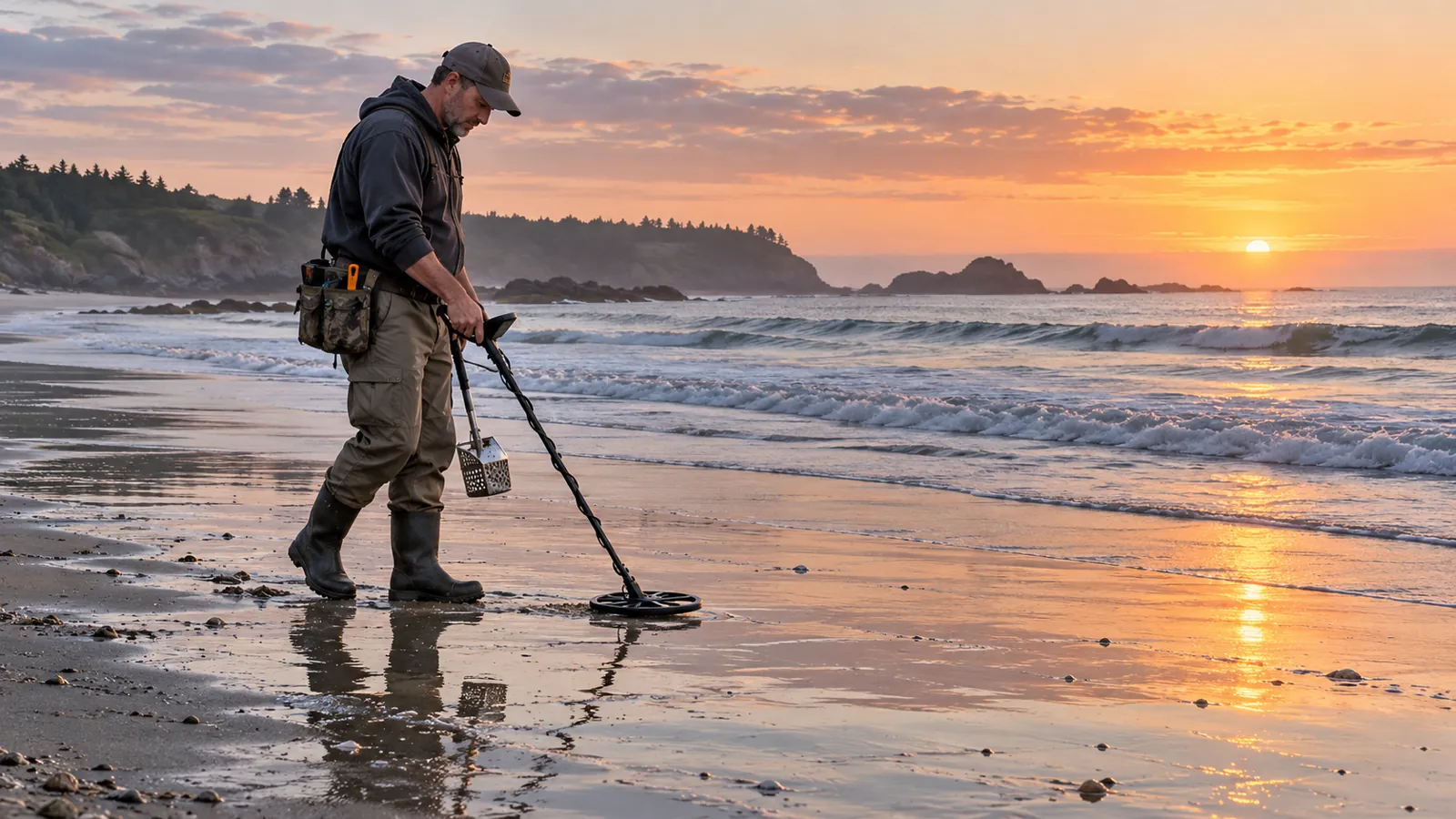
A beach looks like an easy place to swing a detector until the sand starts beeping at everything. A little planning around tides, ground conditions, and where people spend time helps.
 MetalHunter
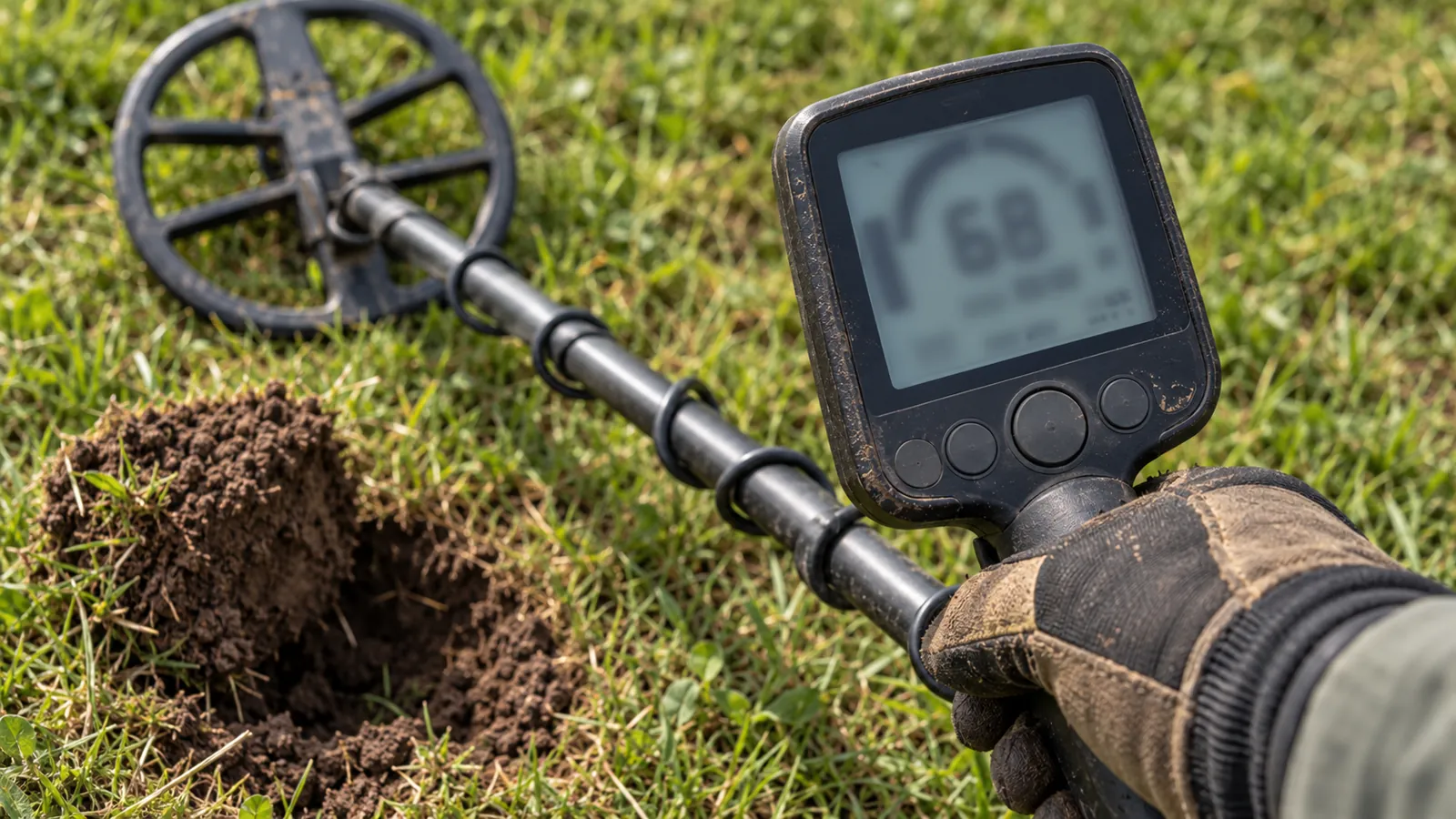
A target ID number can be useful, but it is not a tiny underground inventory label. Here’s how I learned to read VDI without letting one promising number make every decision for me.
We will reply to your email, usually within a couple of days.